
SUBARU REMAPPING
Tuned by Tim Cox: Precision Subaru Remapping on a Dyno
When it comes to extracting the best performance from your Subaru, experience and precision matter. At Tuned by Tim Cox, I bring over 12 years of dedicated Subaru tuning expertise, having worked on over 1,200 vehicles and personally owned five different models—ranging from near-stock to an astonishing 750BHP beast. My passion for performance tuning began in the world of racing, where I learned that every fine-tuned adjustment can make the difference between winning and losing.
Precision Meets Performance
With a background in aviation engineering, I apply the same meticulous attention to detail and high standards of precision to every Subaru tune. Turbocharged engines are complex, and achieving peak performance requires balancing power, durability, and reliability. Whether you’re aiming for a responsive street car, a weekend track warrior, or a high-horsepower build, my tuning approach ensures you get the maximum safe power with optimal drivability.
Why Dyno Remapping?
Custom dyno remapping is the most effective way to unlock your Subaru’s full potential. Unlike off-the-shelf maps, my tailored tuning approach fine-tunes the ECU settings based on real-world power and torque readings. Here’s why dyno tuning is a game-changer for your Subaru:
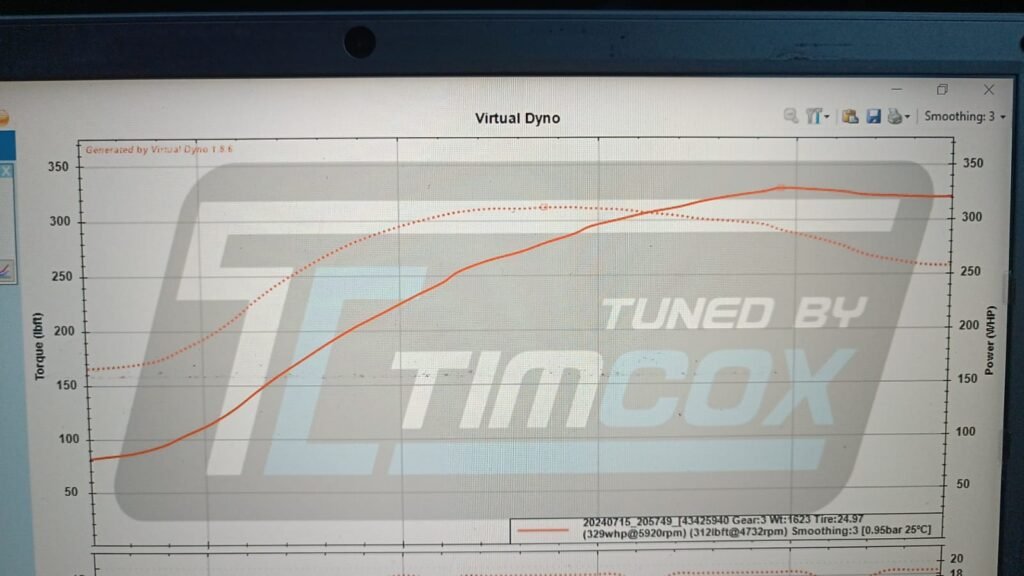
Optimised Power & Torque: Every engine is unique, and custom mapping ensures that your Subaru gets the perfect fuel, ignition, and boost settings for peak efficiency.
Enhanced Throttle Response & Driveability: A properly tuned Subaru accelerates smoother, delivers power more efficiently, and responds better to throttle inputs.
Improved Fuel Efficiency: With optimised air-fuel ratios and ignition timing, your Subaru can achieve better miles per gallon without sacrificing power.
Safety & Reliability: Custom tuning is about more than just making power; it’s about ensuring your engine operates safely within its mechanical limits.
Adapting to Modifications: Whether you’ve upgraded your turbo, intake, exhaust, injectors, or fuel system, a proper dyno remap ensures all components work together harmoniously.
Tailored Tuning for Every Subaru
From classic Imprezas and WRXs to modern STIs and BRZs, my tuning process is fully customised to your goals. With real-time data logging and controlled testing, my dyno tuning sessions provide precise adjustments for your car’s exact setup. Whether it’s a conservative tune for longevity or an aggressive setup for maximum performance, I ensure that your Subaru delivers smooth power delivery, excellent reliability, and thrilling performance.
Get Tuned by a Proven Subaru Expert
When you choose Tuned by Tim Cox, you’re not just getting a tune—you’re getting years of expertise, a data-driven approach, and a commitment to excellence. If you’re serious about extracting the best from your Subaru, let’s get your car on the dyno and unleash its full potential.
Contact me today and experience the difference that precision tuning can make!